Key Takeaways
Guildford homeowners can clear most soft toilet blockages naturally using bicarbonate of soda, hot water, or washing up liquid before calling a professional plumber.
- Bicarbonate of soda combined with white vinegar is highly effective against soft, organic toilet blockages. Leave the mixture for twenty to thirty minutes, then follow with hot water from the tap.
- Always use hot tap water rather than boiling water when flushing natural remedies through the bowl. Boiling water can crack the porcelain and cause costly damage.
- Washing up liquid lubricates debris inside the pipe and works best when combined with a bucket of hot water poured from waist height or used alongside a toilet plunger for added pressure.
- Call a professional if the water rises instead of draining, if gurgling sounds come from nearby fixtures, or if multiple drains are affected at once. These signs point to a deeper drainage issue.
- Prevent future blockages by only flushing the three Ps: pee, poo, and paper. Wet wipes, cotton buds, sanitary products, and dental floss must always go in the bin.
A blocked toilet demands immediate attention, and it almost always happens at the worst possible moment. Before reaching for the phone, many homeowners in Guildford and across Surrey want to try a natural way to unclog toilet blockages themselves first. That instinct makes sense. Mild, partial blockages caused by organic matter often respond well to simple household remedies, and there is no harm in trying before involving a professional. This guide covers the most effective natural methods, how to use them safely, and how to recognise when it is time to call in an expert.
Natural remedies work well on soft, partial blockages, but they are not a substitute for professional tools or diagnosis when a more serious drainage problem is present. Knowing the difference between a straightforward clog and a deeper issue can save you time, mess, and the risk of making things worse.
Why Try a Natural Toilet Unblocking Method First?
Cost and convenience are the two most obvious reasons. Calling out a plumber for what turns out to be a minor blockage can feel unnecessary, particularly when bicarbonate of soda and washing-up liquid are already under the kitchen sink. Trying a home remedy first lets you act immediately, at any hour, without waiting for an appointment, whether you are in central Guildford or a village further out across Surrey.
There is also a strong environmental case. Chemical drain cleaners are widely discouraged for toilet blockages because they can damage pipes, harm the environment, and pose health risks. Natural alternatives avoid those downsides while still being effective against the organic matter that causes most everyday blockages.
What You Need Before You Start
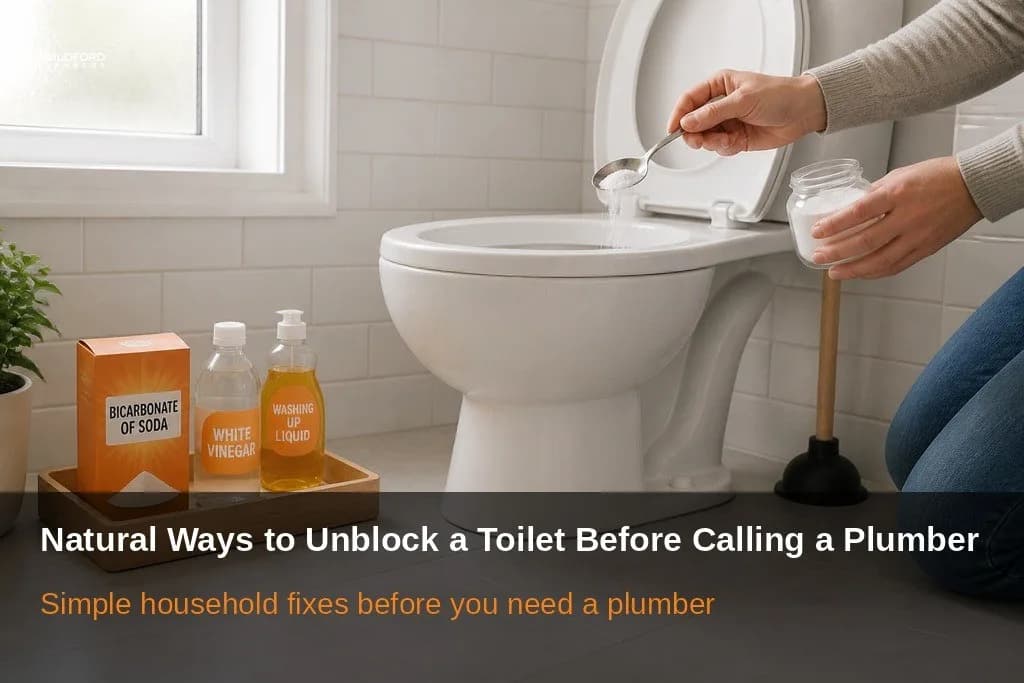
No specialist equipment is required. The items you are most likely to reach for are bicarbonate of soda, white vinegar, washing-up liquid, hot water from the tap, a bucket for pouring with a little force, and rubber gloves. If you own a toilet plunger, keep it nearby as a useful complement to any natural solution you try.
Before you begin, check the conditions in the room. Work in a well-ventilated bathroom by opening a window or switching on the extractor fan. If the toilet bowl is already close to overflowing, avoid adding more liquid until the water level has dropped slightly. Alicia Sokolowski, president and co-CEO of Aspen Clean, quoted in Martha Stewart, advises: "Before attempting to unclog the toilet, turn off the water supply by locating the shut-off valve, usually near the base of the toilet." This prevents the bowl from filling further if the blockage shifts unexpectedly during the process.
How to Unblock a Toilet with Bicarbonate of Soda and Vinegar
This is one of the most effective natural methods. The process is straightforward:
- Pour roughly one cup of bicarbonate of soda directly into the toilet bowl, aiming for the drain opening.
- Slowly add two cups of white vinegar to manage the fizzing.
- Leave the mixture undisturbed for at least twenty to thirty minutes.
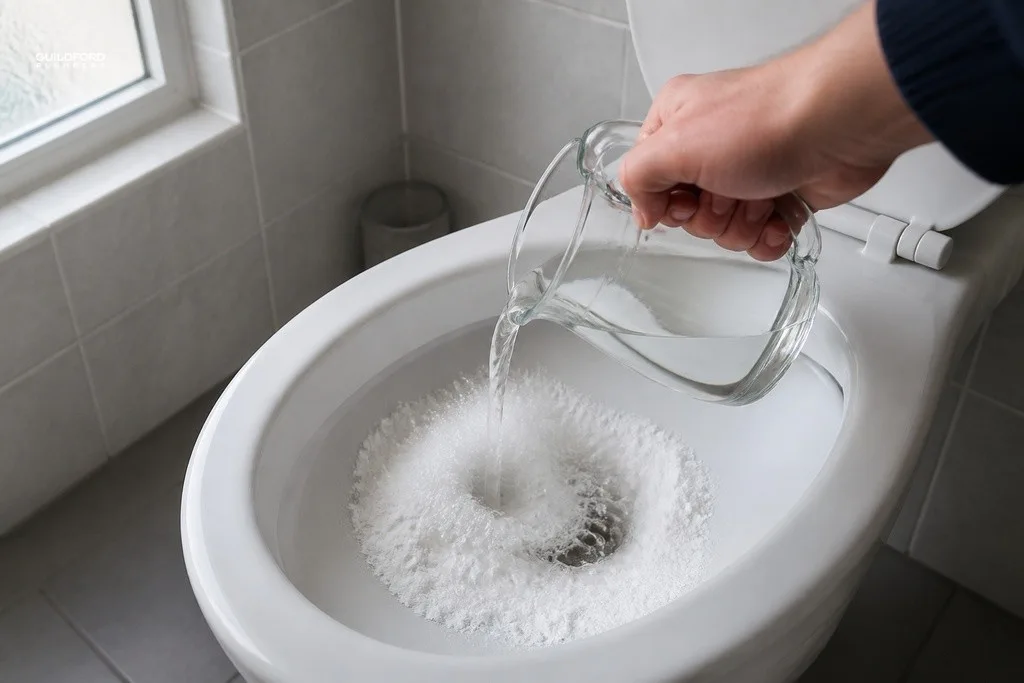
- Follow up with a careful pour of hot water from waist height to flush loosened debris through the pipe.
As Wilkinson, a cleaning expert quoted in Martha Stewart, explains: "Take 1 gallon of white vinegar and pour half of the gallon right in the middle of the baking soda pile. The mixture should naturally fizz up and dissolve the baking soda." The fizzing reaction breaks down organic blockages in the drain. It is not forceful enough to shift a solid foreign object or a compacted clog, but it is genuinely effective against the soft organic matter that causes the majority of everyday blockages.
Getting the Water Temperature Right
Hot water from the tap is recommended rather than boiling water. Boiling water can crack the porcelain bowl, which is a real risk worth taking seriously. Ceramic toilet pans are designed for normal household water temperatures, not the extreme heat of water straight from the kettle. Fill a bucket using the hot tap and add a small amount of cold water if you are unsure. The water should feel uncomfortably hot to the touch but should not be steaming aggressively.
How Long to Leave It Before Flushing
Leave the mixture for at least twenty to thirty minutes, or up to an hour for a stubborn blockage. Signs that it is working include a gradual drop in the water level and reduced resistance when you gently probe near the drain. Once the clog appears to have loosened, flush once and observe. If the water drains cleanly, you are done. If not, repeat once before trying a complementary method.
Other Natural Methods Worth Trying in Guildford Homes
Washing-Up Liquid and Hot Water
If bicarbonate of soda and vinegar do not fully clear the blockage, washing-up liquid and hot water is a reliable next step. Squirt a generous amount of washing-up liquid into the bowl, then pour a bucket of hot water from waist height to increase pressure. As Khachani, a plumbing expert quoted by Family Handyman, explains: "Dish soap's slippery nature can provide lubrication, aiding in the easier movement of debris down the pipes." Combined with the downward force of hot water, this can shift a partial blockage that the bicarbonate method has already softened but not fully cleared.
Washing-Up Liquid with a Plunger
Adding a toilet plunger makes this method significantly more effective. After allowing the washing-up liquid and hot water to sit for ten to fifteen minutes, use the plunger with a firm, steady push-and-pull motion to add mechanical pressure. The lubrication from the washing-up liquid helps debris slide through more easily, making this combination one of the most effective approaches for common household blockages across Surrey.
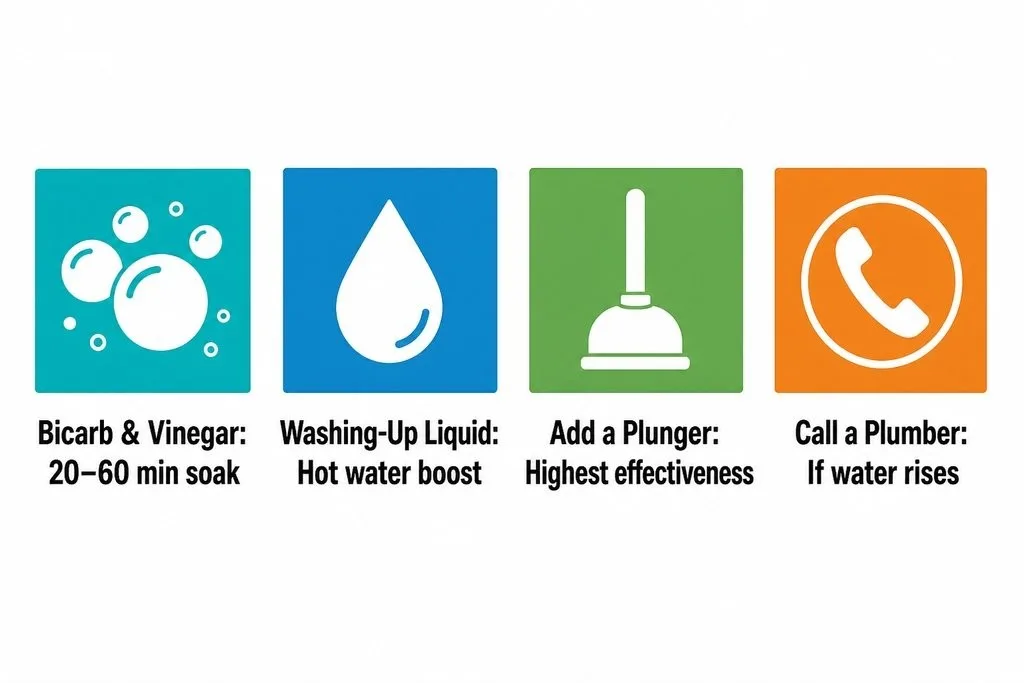
| Method | Best for | Soak time needed | Plunger recommended? | Effectiveness on soft blockages |
|---|---|---|---|---|
| Bicarbonate of soda and vinegar | Organic, soft clogs | 20 to 60 minutes | No | High |
| Washing-up liquid and hot water | Partial, partially softened blockages | 10 to 15 minutes | Optional | Medium to high |
| Washing-up liquid with a plunger | Stubborn partial blockages | 10 to 15 minutes | Yes | High |
When Natural Methods Are Not Enough
Some blockages go beyond what household remedies can fix. Stop DIY attempts and call a professional if you notice any of the following:
- The water rises in the bowl rather than draining after repeated attempts
- You hear gurgling sounds from nearby fixtures such as the basin or bath
- The same toilet blocks repeatedly
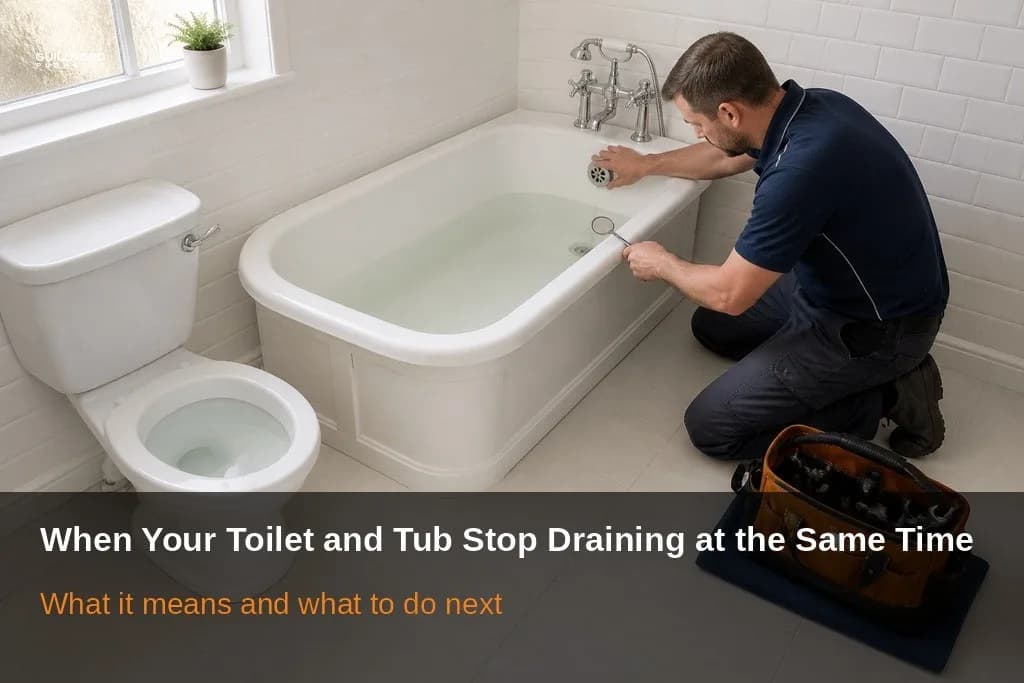
- The toilet and tub not draining at the same time
These signs suggest the problem is further down the drainage system, possibly a shared drain issue, a partial pipe collapse, or tree root ingress. In older properties across Guildford and the surrounding Surrey villages, ageing pipework can sometimes be a contributing factor. Continuing with home remedies in these circumstances risks masking the symptoms while a deeper problem develops. Toilet blockages should be addressed promptly to prevent flooding, unpleasant odours, and potential water damage.
What a Local Drainage Professional Can Do
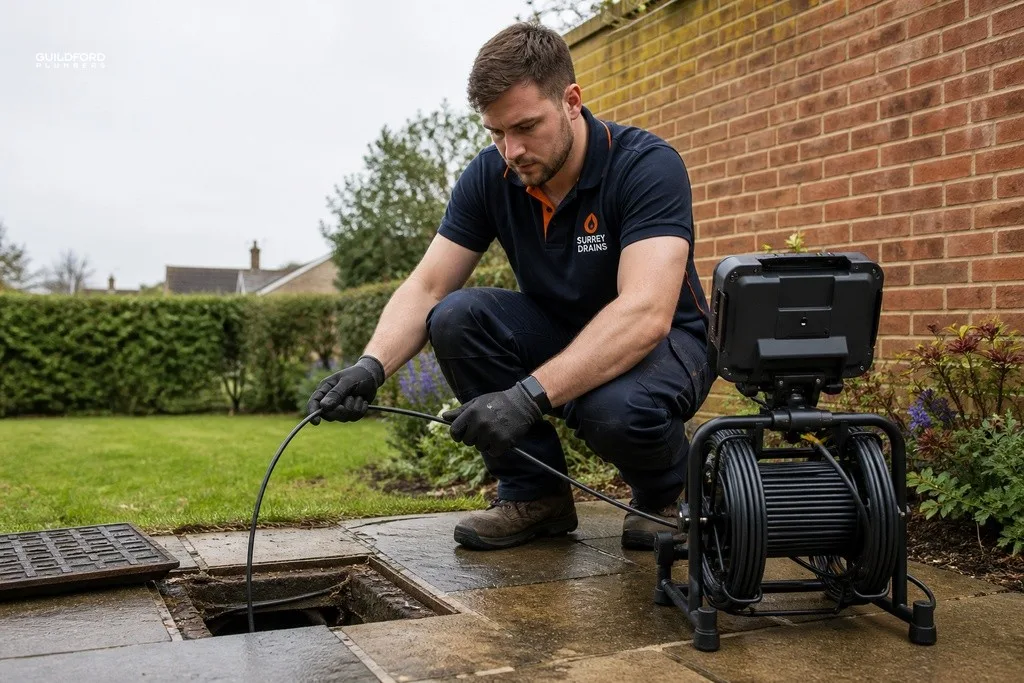
A qualified local plumber can diagnose your drainage system in a way that no household method can replicate. Using CCTV drain inspection equipment, a professional can identify exactly where a blockage is located, what is causing it, and whether there is any structural damage to the pipe. Issues such as root ingress, pipe misalignment, grease accumulation, or a partial collapse are invisible to the homeowner but immediately apparent to an experienced engineer with the right tools.
Guildford Plumbers has over 12 years of local experience handling drainage and blockage clearance across Guildford, Surrey and the surrounding areas. The team is available 24 hours a day, 7 days a week, with no call-out fee. For situations where you need to fix slow flushing toilet problems that keep returning despite your best efforts, or where a more complex drainage issue is suspected, having a trusted local specialist removes a great deal of stress. Free quotes and fast response times mean you can get a clear answer quickly, without committing to anything before you know what you are dealing with.
How to Prevent Toilet Blockages at Home
Prevention is considerably easier than dealing with a blocked toilet on a Sunday evening. Only human waste and toilet paper should ever be flushed. The following should always go in the bin rather than the toilet: wet wipes (even those labelled flushable), cotton wool and cotton buds, sanitary products, and dental floss.
| Item | Flush or Bin? | Reason |
|---|---|---|
| Human waste | Flush | Breaks down naturally in the drainage system |
| Toilet paper | Flush | Designed to dissolve quickly in water |
| Wet wipes (including "flushable") | Bin | Do not break down; a leading cause of blockages |
| Cotton buds and cotton wool | Bin | Accumulate in pipes and trap other debris |
| Sanitary products | Bin | Expand in water and cause serious blockages |
| Dental floss | Bin | Wraps around debris and tightens clogs |
Water UK and water companies across the country have campaigned consistently on this issue. The guidance is clear: the only things that belong in the toilet are the three Ps, pee, poo, and paper.
Beyond what you flush, a small amount of regular maintenance goes a long way. Pouring a cup of bicarbonate of soda followed by hot water down the toilet once a month can help keep the drain clear of minor build-up before it develops into a full blockage. Check that the flush is working properly every few weeks and act quickly if the bowl is draining slowly. As Allen Lee, a home improvement specialist quoted by wikiHow puts it simply: "One of nature's biggest dissolving agents is water." Regular flushing and maintenance keeps things moving, and a little attention early saves a great deal of trouble later.
If you have worked through the natural methods in this guide and the problem persists, or if you would simply prefer the reassurance of a professional diagnosis, the team at Guildford Plumbers is ready to help. Get in touch today for a free quote and fast, friendly service with no call-out fee.
Frequently Asked Questions About Unblocking a Toilet Naturally
Does bicarbonate of soda and vinegar actually unblock a toilet?
It can work well on soft, organic blockages. The fizzing reaction helps break down the material causing the clog. Leave the mixture for twenty to thirty minutes, then flush with hot water from the tap. It will not shift solid foreign objects or heavily compacted blockages, but it is effective against the organic matter behind most everyday clogs.
Is it safe to pour hot water into a toilet bowl?
Hot water from the tap is safe, but boiling water is not. Boiling water can crack the porcelain bowl. Fill a bucket from the hot tap and add a little cold water if needed. The water should feel very hot to the touch but should not produce aggressive steam.
How long should I wait before calling a plumber?
If natural methods have not worked after one or two attempts, or if the water is rising rather than draining, call a plumber promptly. Recurring blockages, gurgling sounds from nearby fixtures, or problems across multiple drains at once all suggest that professional diagnosis is needed without delay.
Can washing-up liquid unblock a toilet on its own?
It can help with minor blockages. Washing-up liquid lubricates debris in the pipe, making it easier to shift. Effectiveness increases considerably when combined with a bucket of hot water poured from waist height, or used alongside a toilet plunger for added mechanical pressure.
What should never be flushed down a toilet?
Wet wipes (including those labelled flushable), cotton buds, cotton wool, sanitary products, and dental floss should never be flushed. These items do not break down in the pipe and are among the most common causes of preventable blockages in domestic drains across the UK.