
Key Takeaways
A bathroom clogged by hair, soap scum, or limescale can often be cleared with simple DIY methods, but persistent or widespread blockages need a professional plumber.
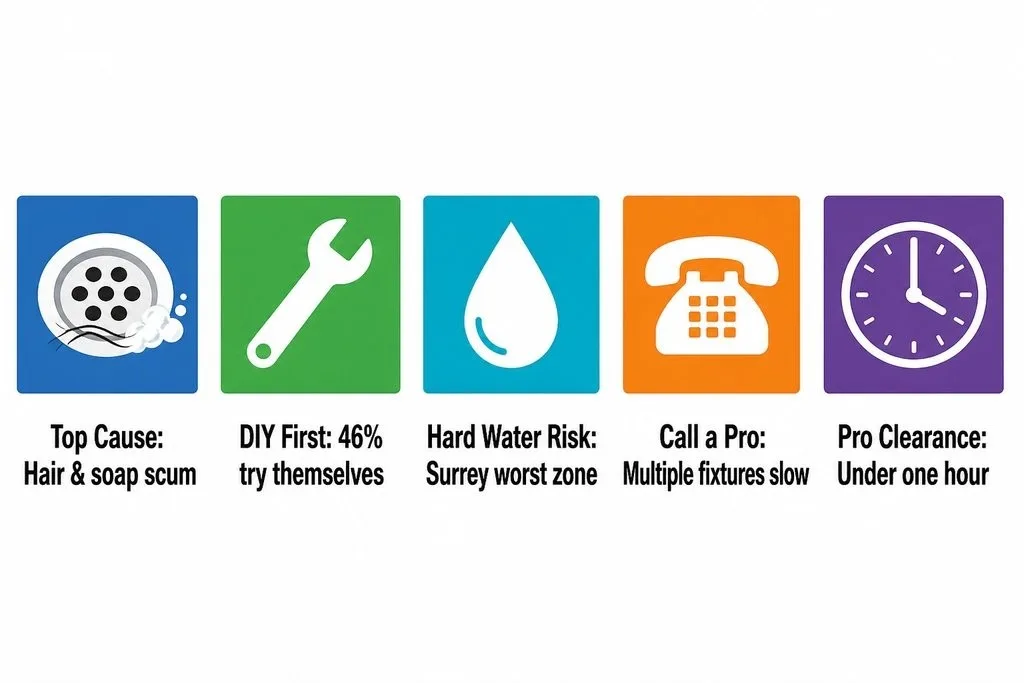
- Hair combined with soap scum is the most common cause of a blocked bathroom drain, building up gradually inside shower, bath, and sink pipes over weeks or months.
- Surrey's hard water accelerates limescale deposits inside pipework, which is why many Guildford households experience the same bathroom blockage recurring shortly after clearing it.
- Safe DIY methods to unclog a bathroom drain include removing debris by hand, using a plunger, flushing with bicarbonate of soda and white vinegar, or using a flexible drain snake for deeper obstructions.
- Chemical drain cleaners and boiling water poured into PVC pipes carry real risks to older pipework and should be avoided, especially in period properties across Guildford and surrounding Surrey villages.
- Call a professional plumber if the bathroom blockage returns repeatedly, multiple fixtures are draining slowly at once, or water backs up into the bath when you flush the toilet.
A clogged bathroom is one of the most frustrating household problems you can face, and it rarely picks a convenient moment. Whether you are standing in a growing puddle during your morning shower or watching the sink fill up while you brush your teeth, the signs are hard to ignore. For homeowners and businesses across Guildford and Surrey, drain blockages are a routine plumbing issue, but one that can escalate quickly if left untreated. Knowing what is causing the problem, and when to act, makes the difference between a quick fix and a costly repair.
This guide covers the most common causes of bathroom blockages, practical steps you can take yourself, and clear advice on when to call in a professional. Whether you are dealing with a slow-draining bath, a blocked drain, or water backing up across multiple fixtures, you will find straightforward, honest guidance throughout.
What Causes a Blocked Bathroom Drain?
Most bathroom blockages build up gradually over weeks or months as everyday residue accumulates inside the pipework. Hair is by far the most frequent cause, particularly in shower and bath drains, where loose strands collect around the drain cover and form a dense, water-resistant plug over time. Soap scum compounds the problem by binding with hair and clinging to the inner walls of pipes, narrowing the drainage channel with each passing week. Toothpaste residue, skin flakes, and shaving foam all contribute to the same slow build-up inside sink drains.
In Surrey, limescale presents an additional challenge that homeowners often underestimate. The area sits within one of the hardest water zones in England, meaning dissolved minerals leave deposits inside pipework over time. These deposits reduce the internal diameter of pipes and create rough surfaces where soap and debris catch more easily. This is why many households across Guildford, Godalming, and the wider Surrey area find themselves dealing with the same blockage repeatedly, even after clearing it. Without addressing the underlying build-up or the limescale itself, the drain is likely to slow down again within weeks.
Why a Bathtub Drain Blocks Differently From a Sink or Shower
A bathtub drain clogged with hair and soap behaves differently from a blocked sink or shower drain, partly because of the volume of water involved and partly because of how the trap beneath it is designed. Bath drains typically sit lower and have a longer, more gradual run of pipework before joining the main stack, which means debris has more surface area to settle on. A combination of hair, soap scum, and bath products such as oils or salts can form a thick, sticky mass that resists simple plunging.
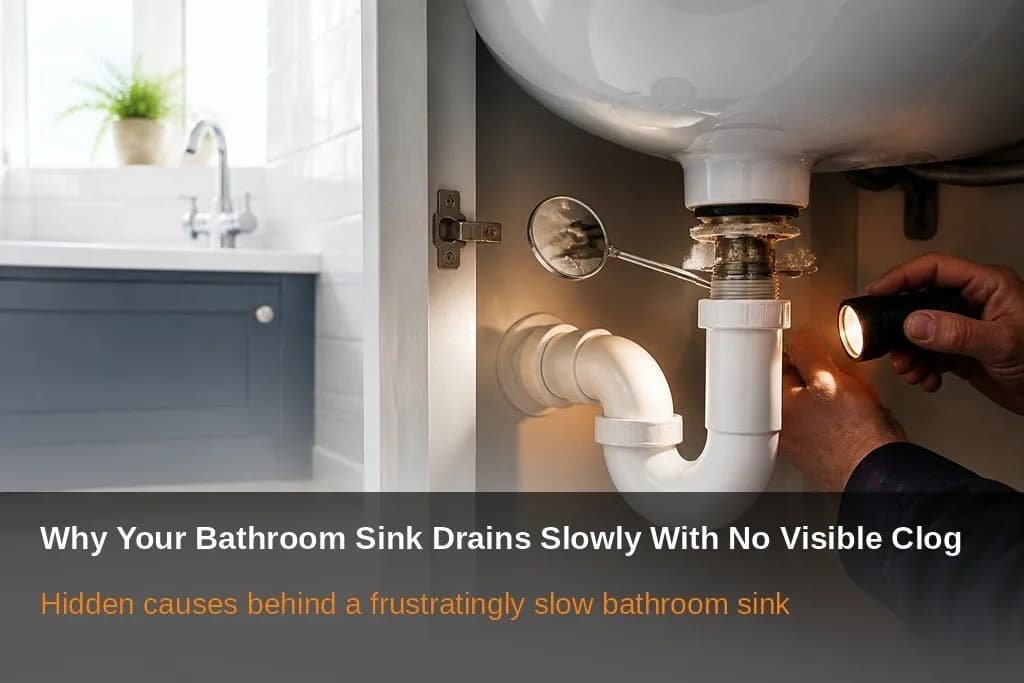
Sink drains, by contrast, tend to block closer to the surface at the pop-up plug mechanism, making them somewhat easier to clear by hand. Knowing which fixture you are dealing with shapes how you approach the clearance.
| Fixture | Primary blockage cause | Where blockage typically forms | Ease of DIY clearance |
|---|---|---|---|
| Shower drain | Hair, soap scum | At or just below drain cover | High — often accessible by hand |
| Bath drain | Hair, soap scum, bath oils or salts | Further into pipework, near trap | Medium — may need a drain snake |
| Sink drain | Toothpaste, soap, shaving foam, skin flakes | At pop-up plug mechanism | High — usually cleared by hand or plunger |
How to Recognise a Bathroom Blockage
The earliest warning sign is usually slow drainage rather than a complete stoppage. Water that takes longer than usual to clear after a shower or sink rinse is telling you that something is restricting flow inside the pipe. Other signs include gurgling sounds from the drain after water has mostly emptied, caused by air being displaced around a partial obstruction; persistent unpleasant smells rising from the drain, pointing to organic material decaying inside the pipework; and multiple fixtures draining slowly at the same time, which suggests a shared branch pipe or the main drain is affected rather than a single fixture.
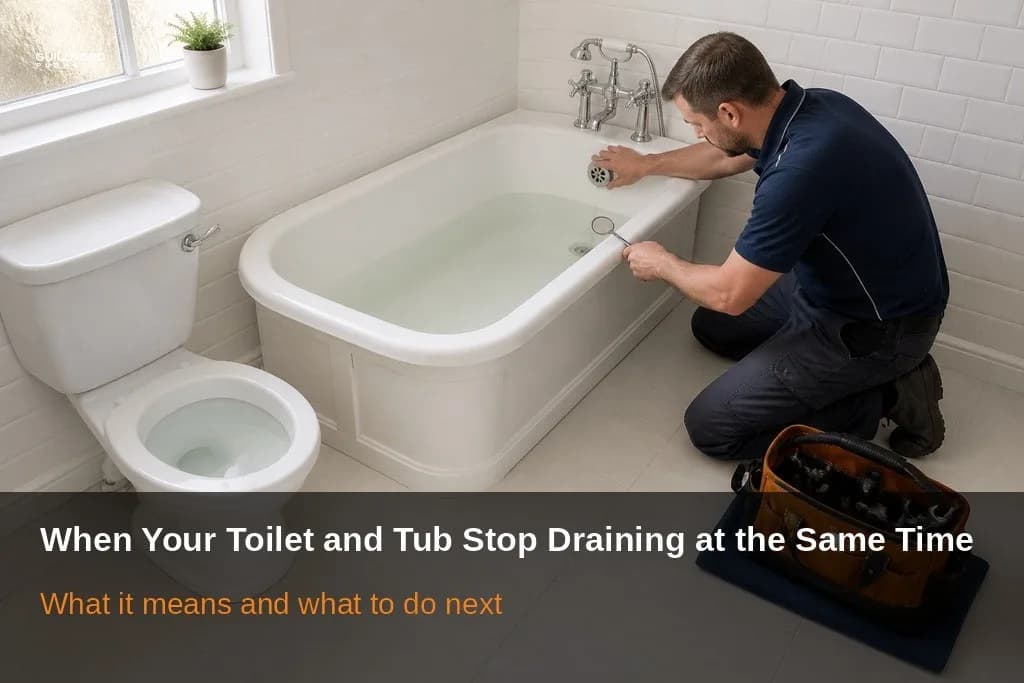
That last point matters considerably. A localised clog confined to a single sink or bath is almost always a build-up issue inside that specific pipe. If the bath, sink, and toilet are all draining slowly, or if water backs up into the bath when you flush the toilet, the problem sits further down the system and requires a different response.
Safe DIY Methods to Unblock a Bathroom Drain
According to a Google Consumer Surveys commissioned study reported via PR Newswire, 46% of homeowners research DIY tips and attempt to fix a plumbing problem themselves before calling a plumber. For a straightforward, localised blockage, this is often a sensible first step. Work through the following in order:
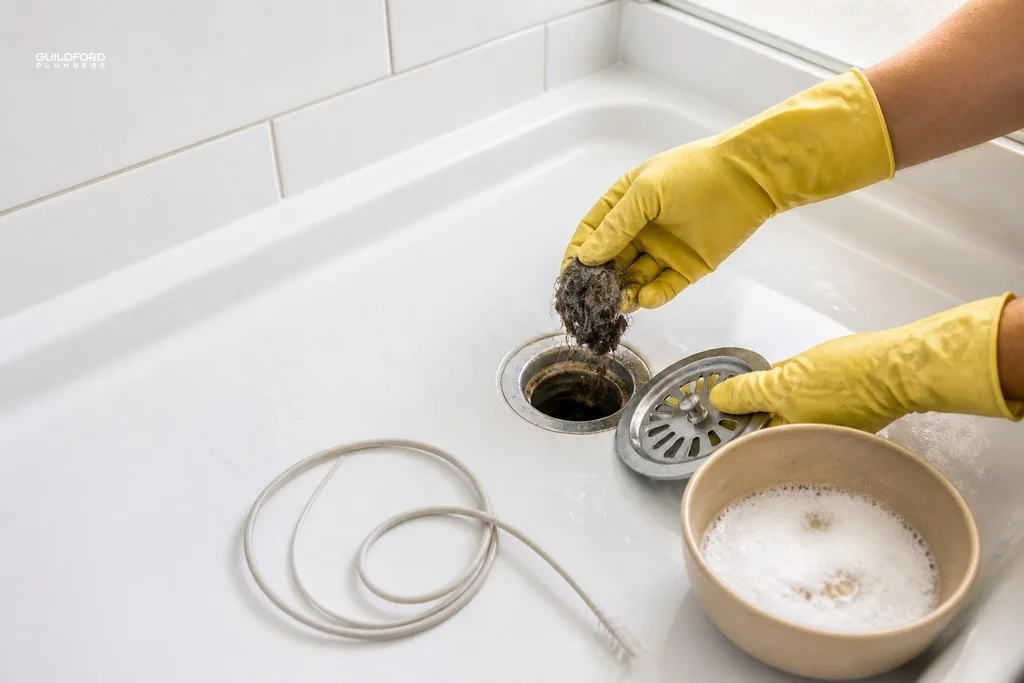
- Remove visible debris by hand. Take off the drain cover and pull out any hair or residue using rubber gloves. This alone can restore flow in many cases.
- Use a drain plunger. Place it firmly over the drain opening and pump steadily to create suction. This works well for partial blockages close to the surface.
- Try a bicarbonate of soda and white vinegar flush. Pour roughly half a cup of bicarbonate of soda into the drain, followed by the same amount of white vinegar, leave it for fifteen to twenty minutes, then flush with warm water. This helps break down soap scum and organic residue.
- Use a flexible drain snake. Available from most UK hardware retailers, this allows you to reach further into the pipe and physically pull out or break apart a clog that plunging cannot shift.
Be realistic about what these methods can achieve. They work best on fresh, accessible blockages. If the problem is deeper in the pipework, keeps coming back, or is caused by limescale accumulation, which is a particular issue throughout Surrey's hard water zone, DIY methods are unlikely to resolve it fully.
What to Avoid When Clearing a Bathroom Drain
Two common approaches can make things worse. Chemical drain cleaners can dissolve organic matter, but the caustic compounds generate significant heat, may corrode older copper or lead pipework, weaken plastic joints, and damage seals over time. Many homes in Guildford and the surrounding area have older plumbing systems that are particularly vulnerable to this kind of damage, and repeated use also contributes to environmental harm when those compounds reach the wider drainage system. Separately, pouring boiling water directly into PVC waste pipes can cause them to soften and warp at the joints; warm water is a safer and often equally effective alternative.
| Method | Best suited for | Risk to pipework | Effectiveness on deep blockages |
|---|---|---|---|
| Removing debris by hand | Hair and residue at drain cover | None | Low — only addresses surface level |
| Drain plunger | Partial blockages near drain opening | Minimal | Low to medium |
| Bicarbonate of soda and white vinegar flush | Soap scum and organic residue | None | Low to medium |
| Flexible drain snake | Blockages further into the pipe | Low if used carefully | Medium to high |
| Chemical drain cleaners | Organic matter only | High, especially in older properties | Medium, but not recommended |
| Boiling water into PVC pipes | Soap scum (partial) | High — can warp joints | Low |
When to Call a Plumber for a Blocked Bathroom in Guildford or Surrey
There are clear situations where continuing with DIY attempts is not only ineffective but potentially risky. Contact a professional if the blockage has returned more than once in a short period, if foul smells persist despite clearing surface debris, if two or more fixtures are affected simultaneously, if water backs up into the bath when you flush the toilet, or if plunging and snaking have not resolved the problem.
Acting at this stage typically costs considerably less than waiting until the blockage causes an overflow, water damage, or a full drainage failure. A qualified plumber can locate the problem accurately and clear it without risking damage to your pipework. The Kohler Co. survey reported by Plumbing and Mechanical magazine found that 57% of respondents had toilet fixtures more than ten years old, linking ageing hardware directly to more frequent blockages. In older Surrey properties, from Victorian terraces in Guildford town centre to period homes in villages such as Shere or Cranleigh, where pipework and fixtures may be decades old, professional assessment becomes especially valuable.
What Happens During a Professional Drain Clearance
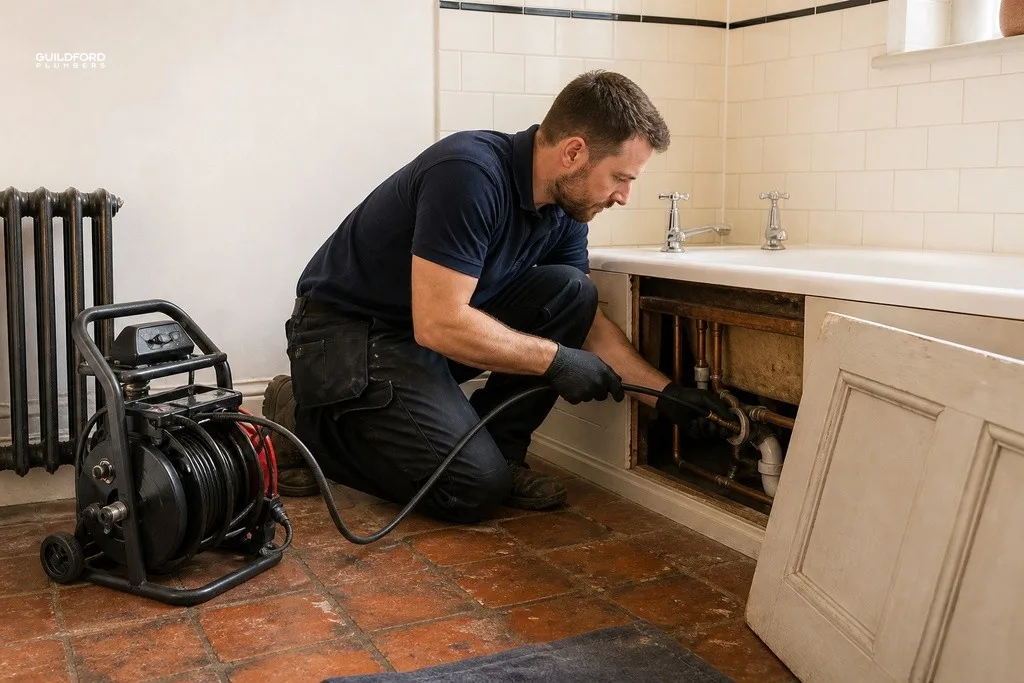
When a Guildford Plumbers engineer arrives at a bathroom call-out, the first step is a straightforward assessment of which fixtures are affected and whether the problem is localised or part of a wider drainage issue. This initial check determines the most appropriate clearance method and avoids unnecessary work.
For most residential blockages across Guildford and the surrounding Surrey area, high-pressure water jetting or mechanical drain rodding clears the obstruction quickly and thoroughly without damaging the surrounding pipework. Once the drain is flowing freely, the engineer checks the condition of nearby waste pipes and confirms that water is clearing correctly from all connected fixtures.
Guildford Plumbers operates with no call-out fee, provides a free quote before any work begins, and sends Gas Safe Registered engineers with over 12 years of local experience. For those who need help outside normal working hours, 24/7 emergency availability means a blocked bathroom in the middle of the night does not have to wait until morning.
How to Prevent Bathroom Drain Blockages
A few straightforward habits go a long way towards preventing repeat blockages. Fitting a hair catcher over every shower and bath drain intercepts loose hair before it enters the pipework; these inexpensive mesh covers can be emptied in seconds after each use. Rinsing drains with warm water for thirty seconds after showering flushes residual soap scum through before it bonds to pipe walls. In hard water areas like Surrey, a monthly flush with white vinegar or a purpose-made descaler can help reduce limescale build-up inside waste pipes and keep drainage flowing more freely over time. For older properties or households that have already experienced repeated blockages, a periodic professional drain inspection can identify partial restrictions before they develop into a full blockage, saving both inconvenience and cost.
Topics such as how to unclog bathroom sink fixtures specifically, or how to deal with blockages in other parts of the home, are each worth understanding in their own right, and Guildford Plumbers covers these through dedicated guidance for different drainage situations. If you are in Guildford, Woking, Farnham, or anywhere across Surrey and your bathroom drain is giving you trouble, get in touch today for a free, no-obligation quote and fast, friendly service from engineers who know these properties well.
Frequently Asked Questions About Blocked Bathroom Drains
What is the most common cause of a blocked bathroom drain?
Hair is the most common cause, particularly in shower and bath drains. It collects around the drain cover and binds with soap scum to form a dense plug that restricts water flow over time.
Can I unblock a bathroom drain myself?
Yes, for a localised, accessible blockage. Removing debris by hand, using a plunger, or flushing with bicarbonate of soda and white vinegar often resolves straightforward build-ups without professional help.
Why does my bathroom drain keep blocking after I clear it?
Recurring blockages usually point to a deeper accumulation or, in Surrey's hard water zone, limescale building up inside the pipework. Surface-level DIY methods clear the immediate obstruction but do not address the underlying cause.
When should I stop trying DIY fixes and call a plumber?
Call a plumber if the blockage returns repeatedly, multiple fixtures drain slowly at once, water backs up into the bath when you flush the toilet, or plunging and snaking have had no effect.
Are chemical drain cleaners safe to use in older Surrey homes?
They carry a higher risk in older properties. The caustic compounds generate heat that can corrode copper or lead pipework and weaken plastic joints, both of which are common in period homes across Guildford and the surrounding villages.
How long does a professional drain clearance take?
Most residential blockages are cleared within an hour. A Guildford Plumbers engineer will assess the affected fixtures first, then use high-pressure water jetting or mechanical rodding depending on where the obstruction sits.
Does hard water in Surrey make bathroom blockages worse?
It can do. Surrey sits in one of England's hardest water zones, so dissolved minerals leave limescale deposits inside pipes over time. These deposits narrow the drainage channel and create rough surfaces where soap and hair are more likely to catch.